Have you welcomed vibrant-colored betta fish, Betta splendens, or Siamese fighting fish into your home? You might have seen some bubble clusters on the surface of the water in your betta fish tank. You may think you need to clean the tank or that your precious betta fish is sick.
However, these clusters of bubbles are bubble nests, which is something betta fish normally make. They’re a good sign that you have a happy and healthy fish.
Read on to learn why betta fish build bubble nests, why eggs are kept in a bubble nest, whether female betta fish also make bubble nests, how to promote bubble nest building, and more.
Why Do Betta Fish Make Bubbles?
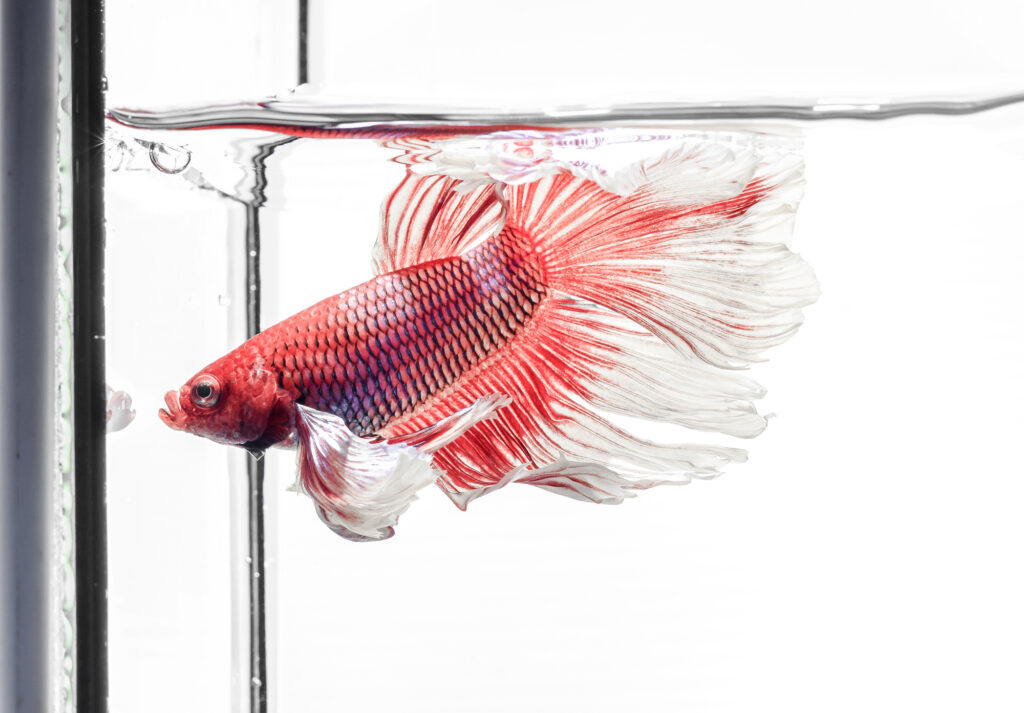
If you’ve just recently bought bettas, you may ask, “Why are there bubbles in my betta fish tank?” Expect to see them blow bubbles regularly at the surface of the tank as this is part of the breeding process.
Male betta fish in the wild would cluster small bubbles on the water surface or under floating debris and leaves so that they can build their nests.
Whether a female betta is around your home aquarium or not, male bettas build these bubble nests or foam nests. They’ll guard the nest until they find a potential mate.
When the female fish mates with the male betta, the eggs fertilize in the water column. Then, the male betta quickly catches the eggs using its mouth and then moves the eggs to the bubble nests.
Male bettas build nests this way because, in the wild, they stay in dirty, slow-moving waters with little oxygen. This protects them from bigger predators who require a more oxygen-rich environment to live.
Bubble activity also means that your young male betta fish is fertile and able to become a parent — or in other words, healthy.
While other species of fish are quick to forget their offspring, betta fish take good care of them. They don’t scatter the eggs in plants or the water. Rather, they build nests and protect themselves from predators.
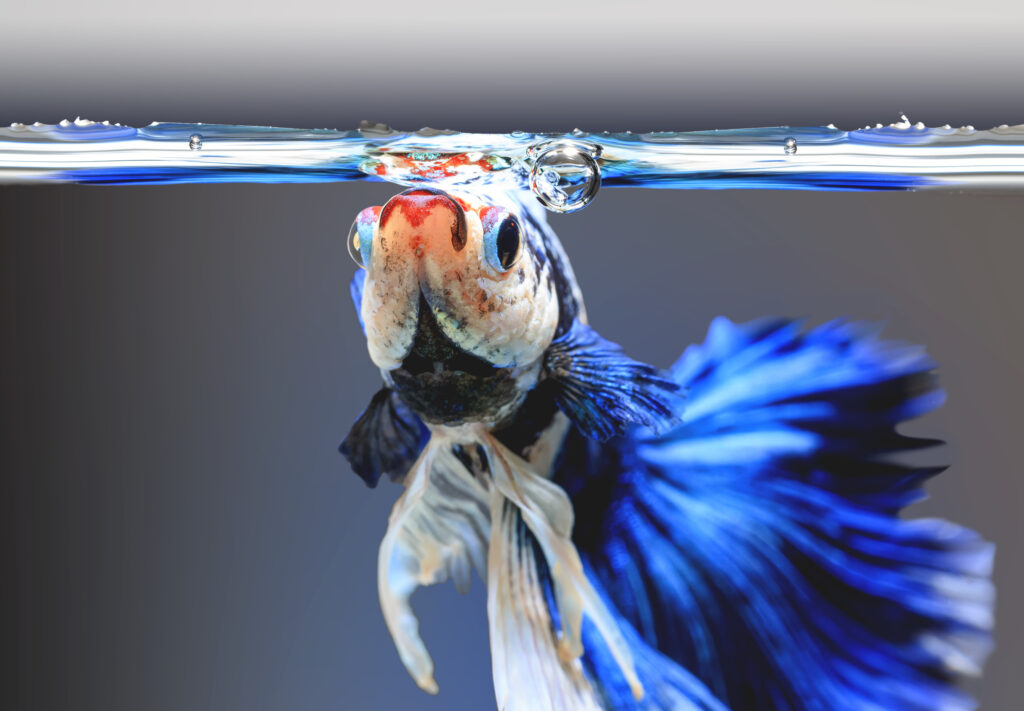
Since bubbles disappear quickly, the betta fish blow bubbles every time it breathes surface air for oxygen. Because of their labyrinth organ, they’re partial breathers.
Why Are the Eggs Kept in a Bubble Nest?
Wild bettas usually live in dirty, shallow, slow-moving, or stagnant water without enough oxygen. By keeping betta eggs in the bubbles, they remain moist with oxygen-rich air. That is why male betta fish diligently build bubble nests.
Meanwhile, the female betta fish does not take part in raising the baby bettas besides releasing the eggs. The male betta must keep the nest and eggs safe and protected.
If some of the eggs dislodge from the nest, the male betta fish will put them back in the nest. The baby betta fish will stay in the nest until they can swim on their own.
Do Female Betta Fish Make Bubble Nests or Only Males?
Female betta fish don’t have the labyrinth organ that the male fish utilizes to create bubble nests. They may help male betta build bubble nests when they’re housed with them for breeding, but they won’t make one if they’re only housed alone.
If the nest seems too small or bubbles are simply scattered in the tank, perhaps they aren’t really bubble nests. Most of the air taken in by male betta fish is from surface breathing.
This is particularly true in stagnant tanks. Air escapes from the female fish’s mouth, thus creating a collection of bubbles that travel to the water’s surface.
Water Changes and Bubble Nest Building
Whether a female betta is in the tank or not, male bettas are committed to building nests. They may end up upset if air bubbles in the betta tank are disrupted. They may even experience depression and become aggressive.
Thus, avoid frequent water changes so your male betta’s nest-building activity won’t be interrupted and they won’t be stressed.
Floating Plants and the Betta Fish Bubble Nest
Besides avoiding water disruptions, you can support your betta fish in other ways while they create foamy bubbles.
Use floating aquarium plants, such as crystalwort, hornwort, and elodea, so they have something to anchor their nest. By adding these aquatic plants, your bettas will feel safer and less stressed.
Although it’s best to use live plants, you can also take a styrofoam cup cut in half lengthwise. Lay this on the water surface, and check for signs of nest building. You can also use plastic lids from food containers.
Just don’t forget to clean the item with warm water without soap as the first step before placing them in the tank
How Often Do Betta Fish Build Nests?
Male betta fish create bubble nests from time to time because of their natural urge to do so. Seeing a nest in the tanks is also a great thing because it means your betta fish is healthy and enjoying its environment.
There’s no exact time frame or typical size for betta fish bubble nests. Bettas can build these nests daily, weekly, or monthly. Some nests are pretty small, while others are large. The thickness of the bubbles also varies.
Some bettas will create a few tiny bubbles, while others can create a nest of bubbles up to an inch thick. If your betta builds bubble nests regularly, it implies that they’re ready for mating and have made the tank his territory.
Meanwhile, if your betta fish is not building bubble nests, it doesn’t necessarily mean they’re unhealthy or sad. Different factors are at play, like water parameters, age, health, and lack of plants or surface debris.
Just make sure to provide your betta with a safe environment and correct conditions for nest building.
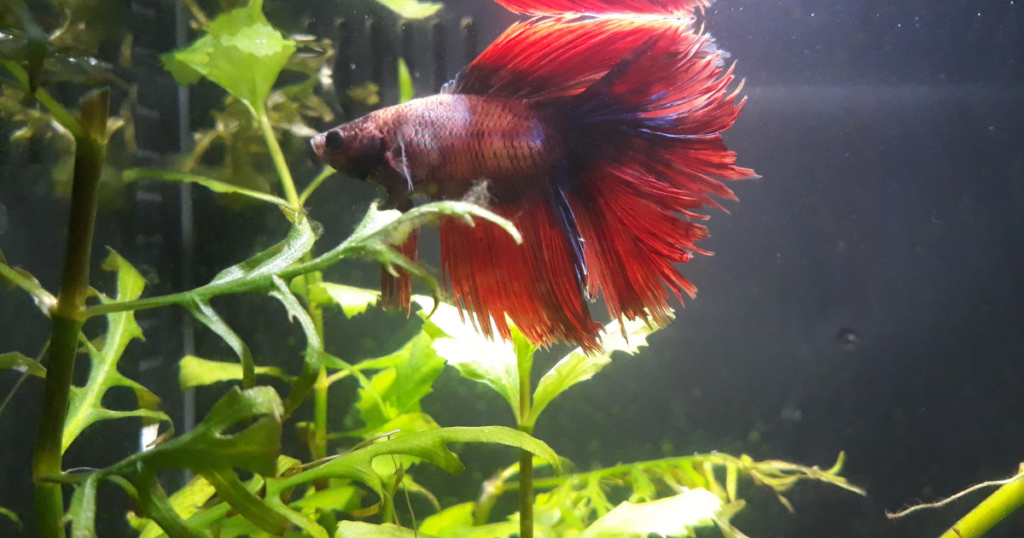
How To Encourage Bubble Nest Building?
Want to keep a happy betta fish? The first thing you need to do is give them the right environment through the following steps.
Maintain the Right Water Temperature
An ideal temperature for your betta’s tank is 78 to 80 degrees Fahrenheit. Bettas are tropical fish, so get a tank heater to ensure the right temperature.
Cold water can weaken the betta and make them susceptible to disease, so it’s crucial to make sure your temperature is warm enough. Choose a heater that’s suitable for your current tank. Like underheating, overheating your tank can harm your betta fish.
Use the Right Tank Filter
Pick a tank that does not produce a strong current, as bettas prefer building their nests in calm and languid waters.
A tank with the right current can help your betta get easily acclimated and build its nest. To promote lesser water disturbance, set your tank’s filter to its lowest setting. This will further assist and encourage your betta to build its bubble nests.
Ensure proper aeration as well. Your fish releases carbon dioxide as it takes in oxygen from the water. Fish tank air pumps create bubbles, removing unwanted gas. Moreover, filters help with aeration by cycling the water from the bottom of the tank to the top.
Clean Your Tank
Considering surface water conditions helps make nest building easier for your bettas. To mimic their natural environment, betta fish need a little amount of dirt in their tanks.
However, keeping an extremely dirty tank will lead to your betta’s poor health. Thus, they still need clean water. Clean your tank at least once a week, according to its size.
If you need to change the temperature or other factors of the water, do so slowly. Changing the water quickly can put the betta in shock, given the drastic change in temperature and several other factors.
Start by changing around one-third of the fish tank water every week.
Pour aquarium water slowly, too, to avoid foaming. The foam can harm your betta’s health if it’s from a cleanser or soap.
Excessive protein in the water can also coat the bubbles, thus hindering them from popping. Protein foam caused by a dirty filter suggests that you need to clean your tank.
Moreover, a dead fish that’s about to decompose can cause a protein foam. A protein skimmer can help you maintain a healthy environment for your fish.
Get a Female Betta
If you have a male betta that has reached breeding age, you can place a clear divider into your tank and a female betta on the other side. The male will display interest — usually by creating a bubble nest.
Unless you have adequate breeding experience, prevent the two fish from coming into direct contact with each other.
Apart from setting up a physical barrier, avoid keeping the two fish in the same breeding tank for an extended period.
This is to prevent undue distress to both betta fish. You may also consider placing another male betta in a separate tank to promote healthy competition.
FAQs
The water in your betta tank is bubbly because male bettas build bubble nests. They prepare these for their prospective mates, but even without female bettas, you’ll see your betta fish blowing bubbles out of the natural urge to do so. The bubbles are also a sign of your betta’s good health, so they’re nothing to worry about.
You don’t have to remove your betta’s bubble nest; it’s part of their mating process. Bettas make nests at the top of the tank where oxygen is available. However, if there’s no female betta to spawn with and the nest is beginning to destroy the environment, you can get rid of the bubble nest.
Bettas make bubbles because of their instinct. While it doesn’t automatically mean that they’re happy, building nests is a sign that they are comfortable in their environment and healthy enough to breed. For example, loneliness can be a reason for them not to blow a bubble nest.
The Bottom Line
Bubble nests are a normal part of the breeding process for betta fish, so the next time you see a form of bubbles in your betta fish tank, don’t panic.
Those little bubbles even indicate that your betta is comfortable and healthy. Help them impress a potential mate by giving them the right environment.