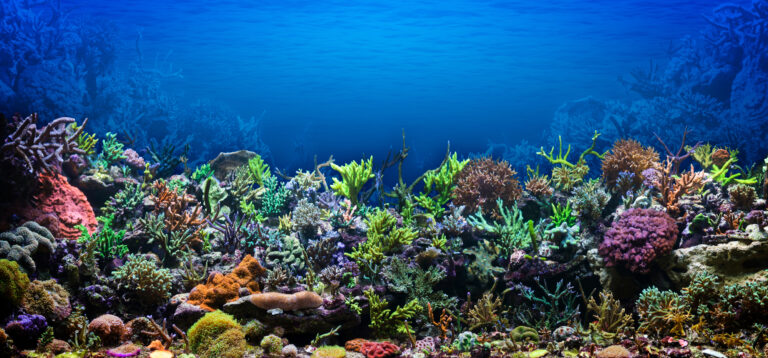
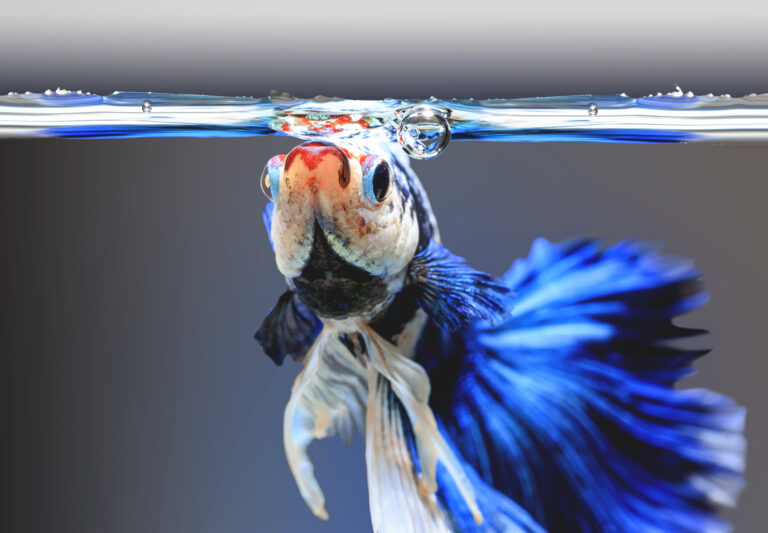
One of the challenges that many new tank owners face is finding the right fish to fit their setup. Understanding fish dynamics is necessary, no matter the tank size. Knowing the best tank fish can help you decide what to buy and allot a budget when visiting the pet store. Here’s a comprehensive list to help you see what fish work with the best fish tanks.
Most of these fish will live in freshwater aquariums as they are the popular choice. It can be challenging to refill and maintain a seawater aquarium. We’ve listed these fish based on their adaptability to water parameters and their relationship to other fish species.
Corydoras Catfish
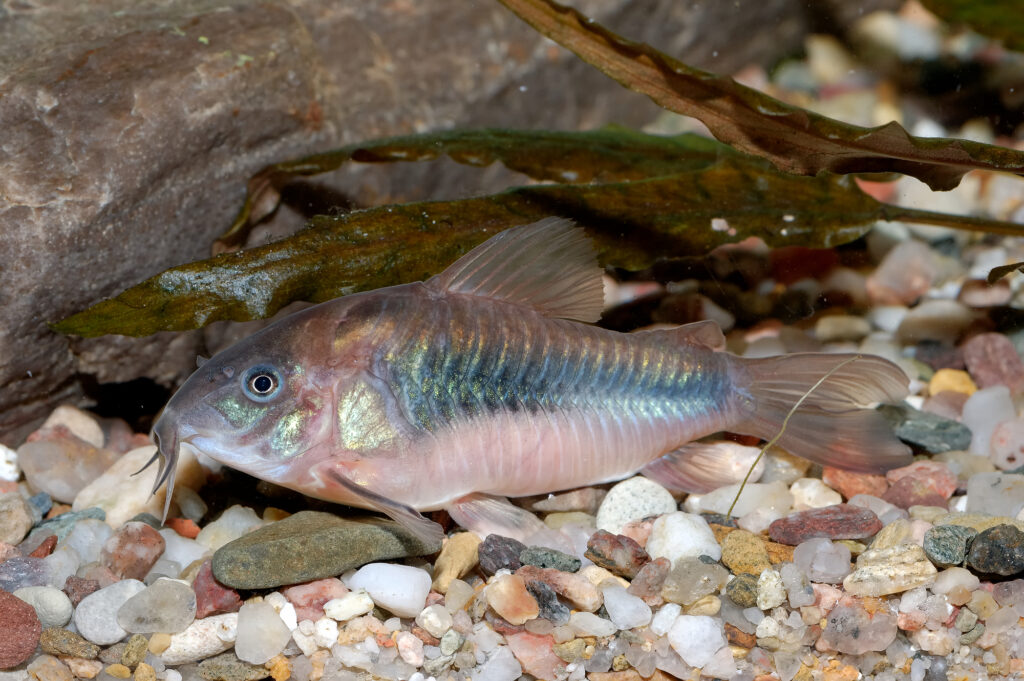
Also known as the Cory Catfish, the Corydoras is a bottom dweller, meaning it will spend the majority of its time at the bottom of the tank. They are a good choice if you’re looking for peaceful fish. They can fill out the bottom of your 10-gallon tank and are a great addition to your other aquarium fish because of their social nature.
As the name implies, these are smaller catfish varieties that work well with different species. Many enthusiasts recommend the Corydoras for beginners, and they can fill out the role of tank cleaners. They hang out at the bottom of the tank and ensure the water quality is in the best condition. They take care of any dirt and leftovers underneath. Just make sure your tank is a little dirty before introducing this fish; otherwise, they may die from lack of food.
Betta Fish
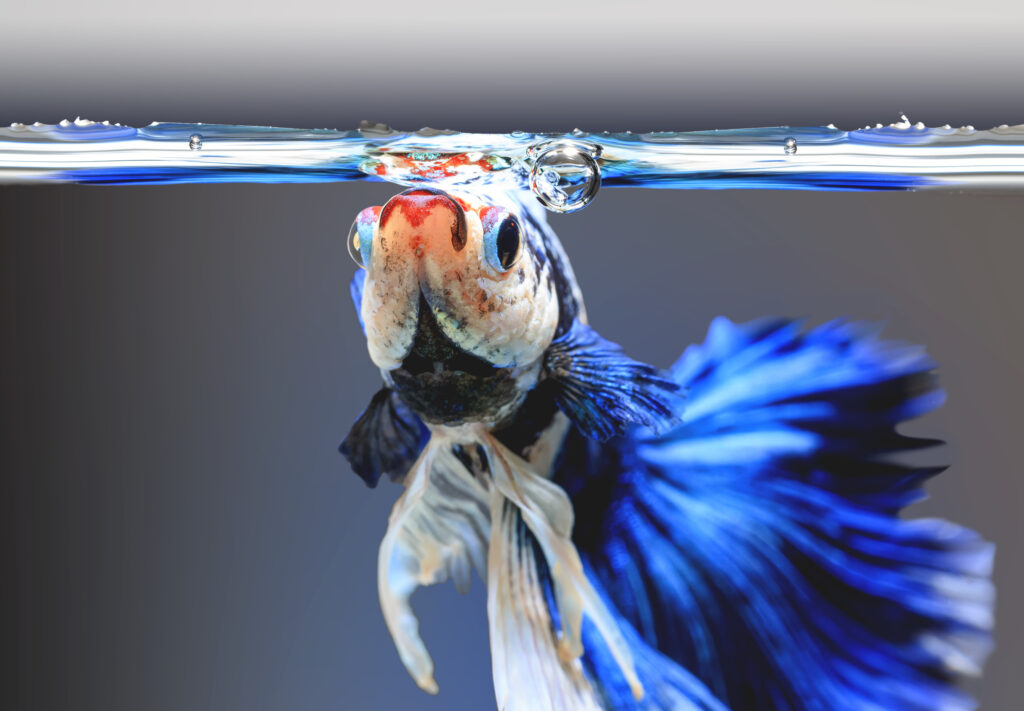
The betta is a tropical fish variety that is a great choice to add color to any tank. When looking for harmony in your setup, you want to acquire female bettas, as the male betta turns into an aggressive fish when other males are present. One of the benefits of having them is the choice of different colors which can fill out larger aquariums.
They can also spend a lot of time breathing outside of the water thanks to a complex lung organ found in their species. They’re not known for their peaceful nature but can adapt wonderfully to your new aquarium. It’s a beautiful fish species you can accommodate into your setup.
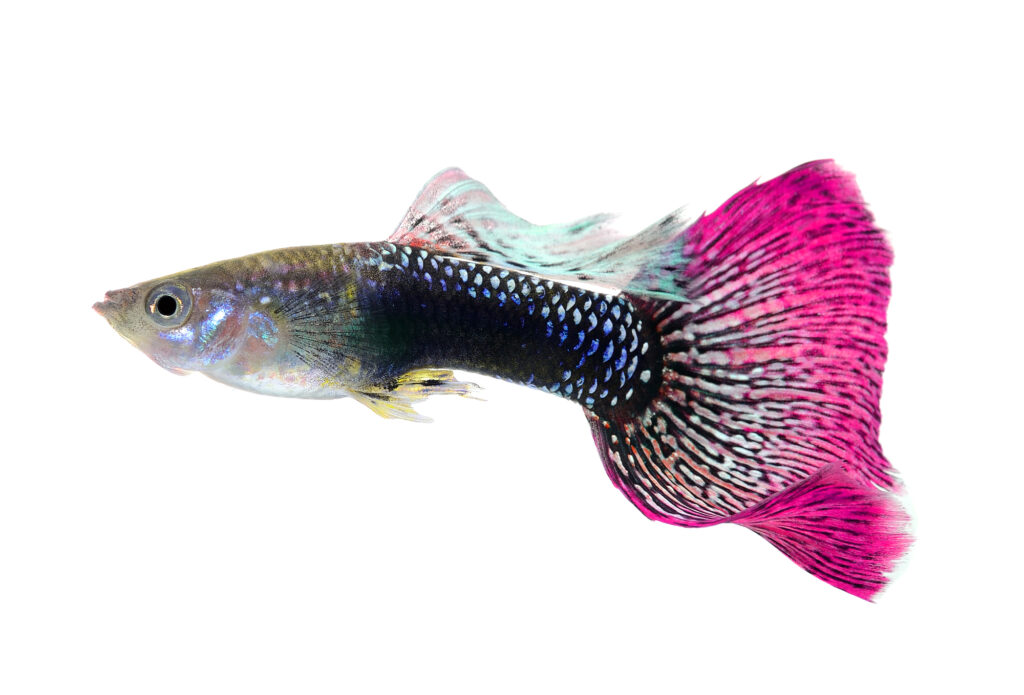
Guppy Fish
The guppy is a common household fish native to South America. Other names it carries include rainbow fish and million-fish.
It’s one of the fish you’ll find in aquariums because they are easy to maintain. They are of a smaller size and have a peaceful temperament. You can also find them in bright colors, making them stand out despite their size.
Many enthusiasts recommend them because of these qualities. They are hardy fish and can work with varying water conditions. That means you don’t have to worry about having a water heater or making sure you have soft water in your tank. They are naturally resilient and aren’t picky eaters.
That means you can feed them live foods and regular fish flakes. They can even survive a week without feeding, though we do not recommend doing so at home if you can help it.
As smaller fish, you only need to feed them one or two small portions a day. They are one of the easiest fish to care for and can work in small schools or larger ones. It’s a good idea to keep them in a more natural habitat to avoid risks. They do best in 10 to 20-gallon tanks with hard water.
Check for water hardness before putting them in. As a general rule, you should also provide lots of hiding places as they thrive in these conditions.
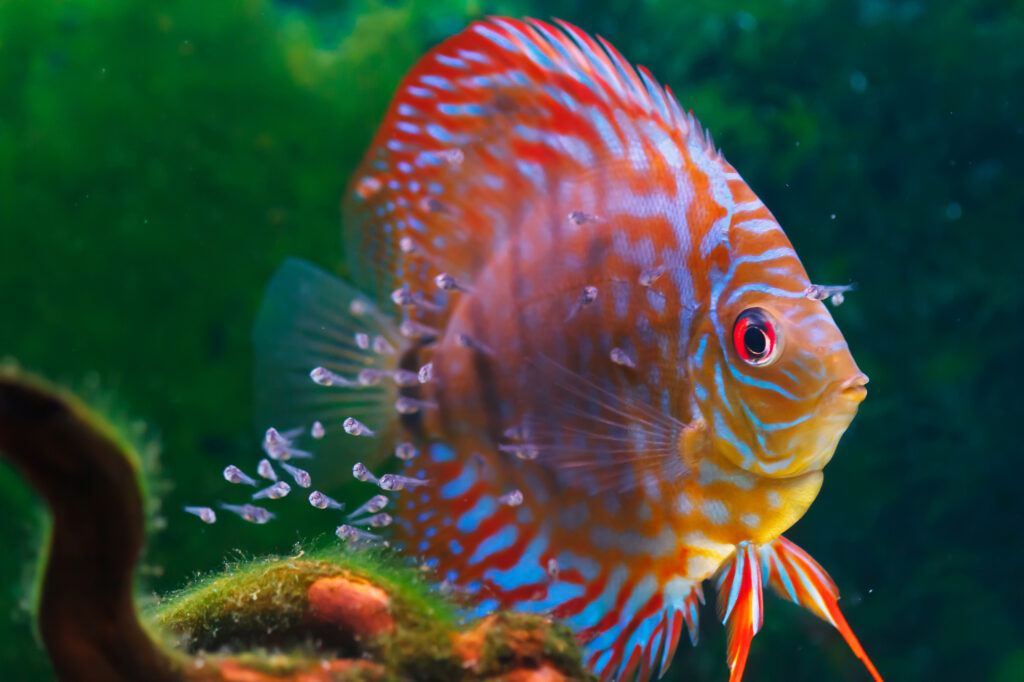
Discus Fish
The discus fish is closely related to the African cichlids, another popular fish for aquariums. As their name implies, they have a noticeable circular shape that makes them stand out in any display. They have the potential to grow, which is why you should place them in a larger tank.
As a general rule, your tank should have at least 30 gallons or 115 liters to ensure there’s enough space for the discus living there.
Another consideration you have to take is their diet. Discus are carnivores, so live plants will not work.
The recommendation is to give them live food like blood worms with standard fish flakes. That will ensure they have enough to stay as active fish. They are also freshwater fish, so put them in a freshwater aquarium.
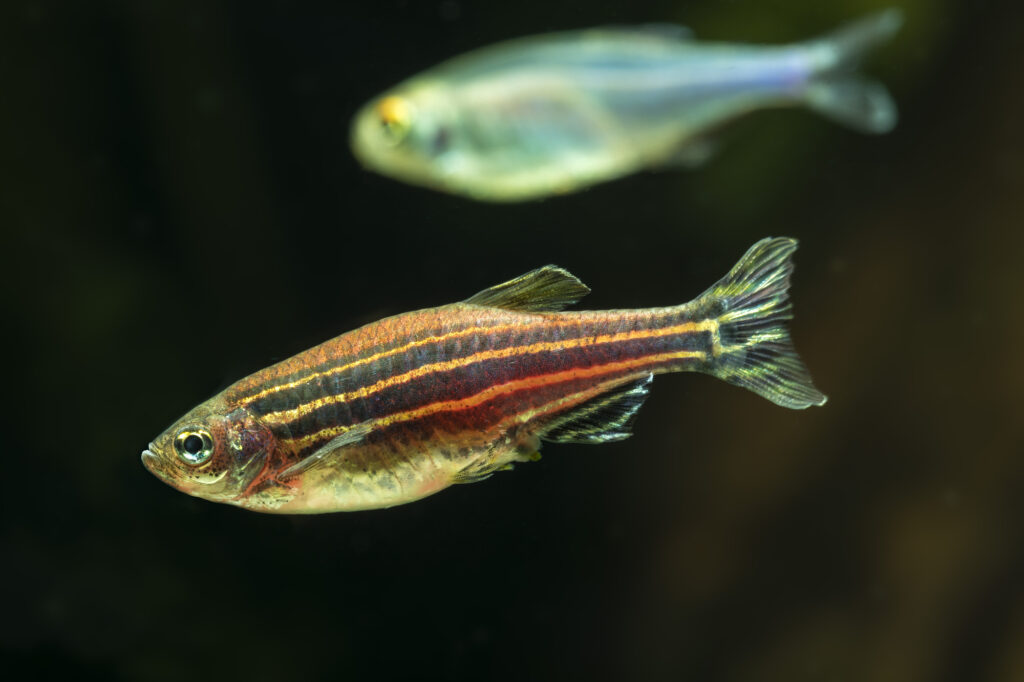
Zebra Danios
The Zebra Danios or danio rerio is an inexpensive addition, no matter your tank size. They are ideal for all owners as they are easy to feed and work in all freshwater tanks. As the name implies, they have a pattern similar to the zebra, and the Himalayan region is their natural environment. They are community fish, meaning they work best in small or large groups.
Because they are inexpensive, getting a batch to add to your aquarium is no issue. Zebra danios are hardy and a great option to add more inside a tank if you desire. They work best in 10-gallon tanks, though you can place them in large aquariums. Their small size, coupled with their schooling tendency, makes them a mesmerizing sight. They are also very active fish, and having 20 to 30 of them jumping around can be entertaining.
However, because of their nature, you’ll have to ensure the aquarium is secure. You won’t have to worry about their diet as they are easy to feed. Many consider them the best fish if you’re looking for tropical varieties.
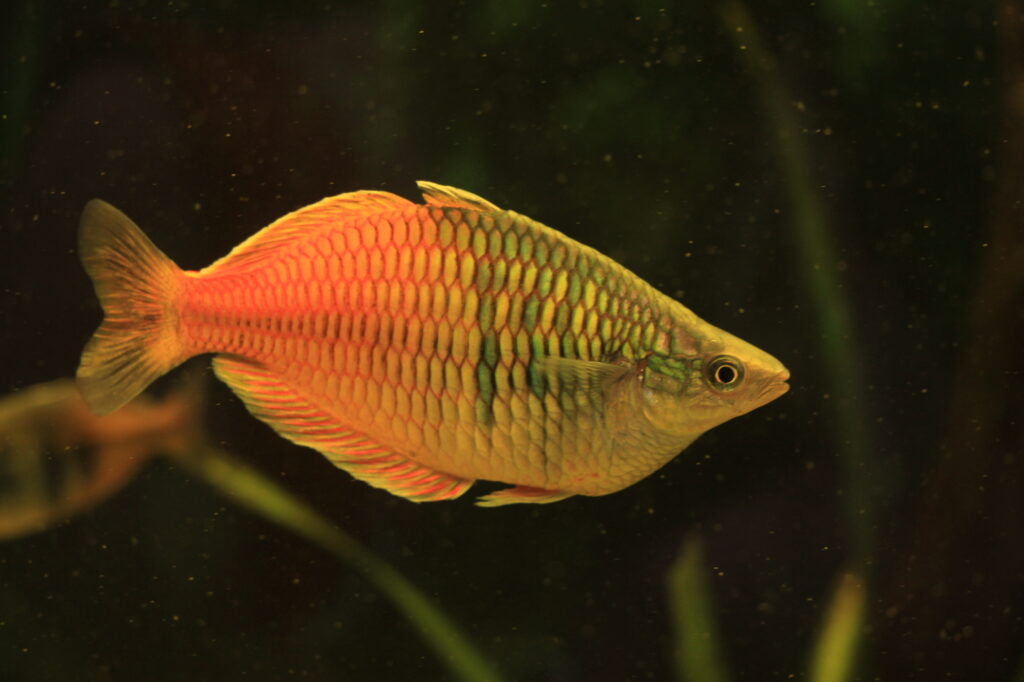
Gourami
The Gourami is one of the larger fish available, so they work well in large tanks. Dwarf gourami can fit in a 10-gallon tank, but you’ll need around 30 to 40 gallons if you want to care for the larger ones. A popular option for larger tanks is the Pearl Gourami because of its noticeable pattern. The Gourami is easy to care for, despite the gallons of water needed to accommodate them.
However, you’ll need a lot of plant matter if you want to include them in your aquarium. These larger fish feel at home in places with tall plants extending up to the water’s surface. Male gouramis also have an aggressive nature when dealing with other males. A great way to introduce them into your tank is to have one male surrounded by multiple females. You won’t have any problems with other males, and you can enjoy their vibrant colors.
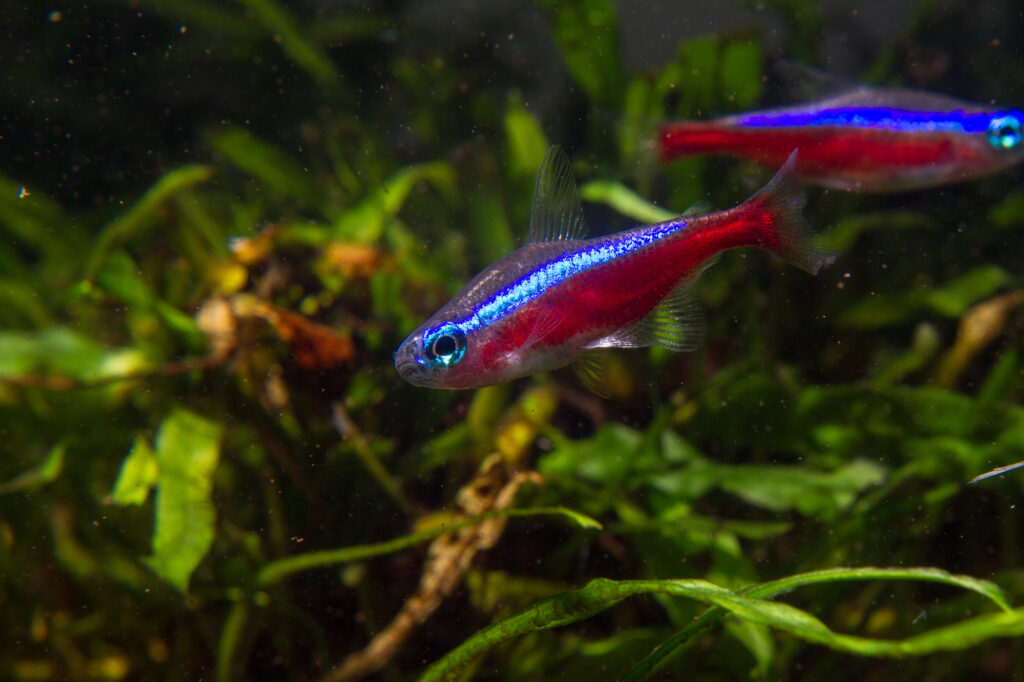
Tetras
Tetras are a small fish variety that loves staying together. Despite being schooling fish, they are also one of the species that has the most variety. You’ll find tetras in a variety of colors together in large schools. These tiny fish can occupy a small fish tank and still find their way to stand out in larger ones. Some of the more popular varieties include:
- Neon tetras: The neon tetra has a noticeable neon blue coloration on its upper or front half. It makes them stand out when swimming alone or together in a tank.
- Congo tetras: The congo tetras have gold and blue combination, with the gold coloration being more noticeable as a strip. Some have a more orange contrast, while others have a silver body.
- Cardinal tetras: Cardinal tetras have a lot of similarities with neon tetras. They have more of an iridescent blue color paired with a vibrant red.
Tetras are very peaceful freshwater fish that love living in communities. The best option is to have several of them together to keep their mood up. They don’t require a lot of fish food. Since these fish are native to the tropics, it’s best to keep them in warm water.
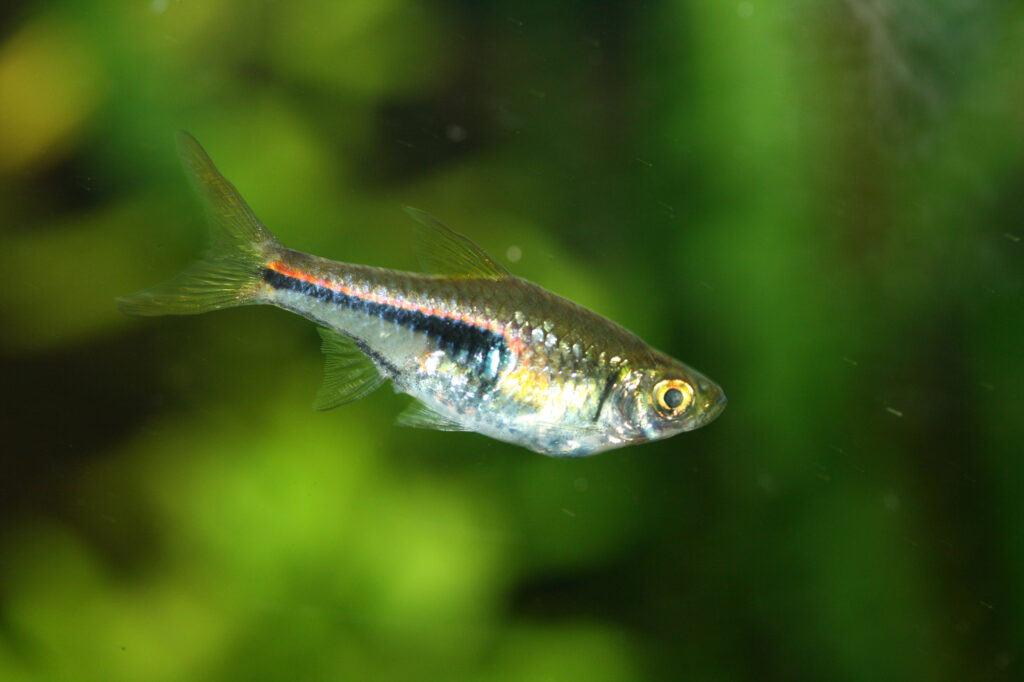
Harlequin Rasbora
The Harlequin Rasbora is a native of the southeast Asian area where water temperatures are warmer. They are an affordable species that stands out in any tank because of their metallic copper color. Aquariums are a great place for them, and they’re usually recommended to beginners as they are easy to care for. They are a small variety that loves dense vegetation.
Like many other small tropical fishes, the Harlequin Rasbora loves being in communities of 8 to 10 fish. They also get along well with similar types of fish like tetras and cory catfishes. You can accommodate around 20-30 of them together in a large tank. It’s best to replicate their natural habitat that’s warm with many plants. They are also an option to help with nitrogen cycling if you need a fish to help balance the water chemistry in a tank.

Celestial Pearl Danios
The danios are a large variety, with the pearl and zebra being the most popular. However, the pearl grows a bit smaller at around one inch. They can work in small tanks though many place them in 10-gallon tanks where they can have peaceful communities.
Most danios can thrive in cold water, so you do not need a water heater to keep them in good condition. They have a hardy nature and are omnivores, which means you can feed them various plant matter and even include live foods in their meals. Some examples include brine shrimp and insect larvae.
One caveat about owning danios is that they have a difficult time if your water isn’t clean. Make sure to invest in a water filter and have some cleaners present when you have extra space for them. They love crystal-clean water and will live longer in such an environment.
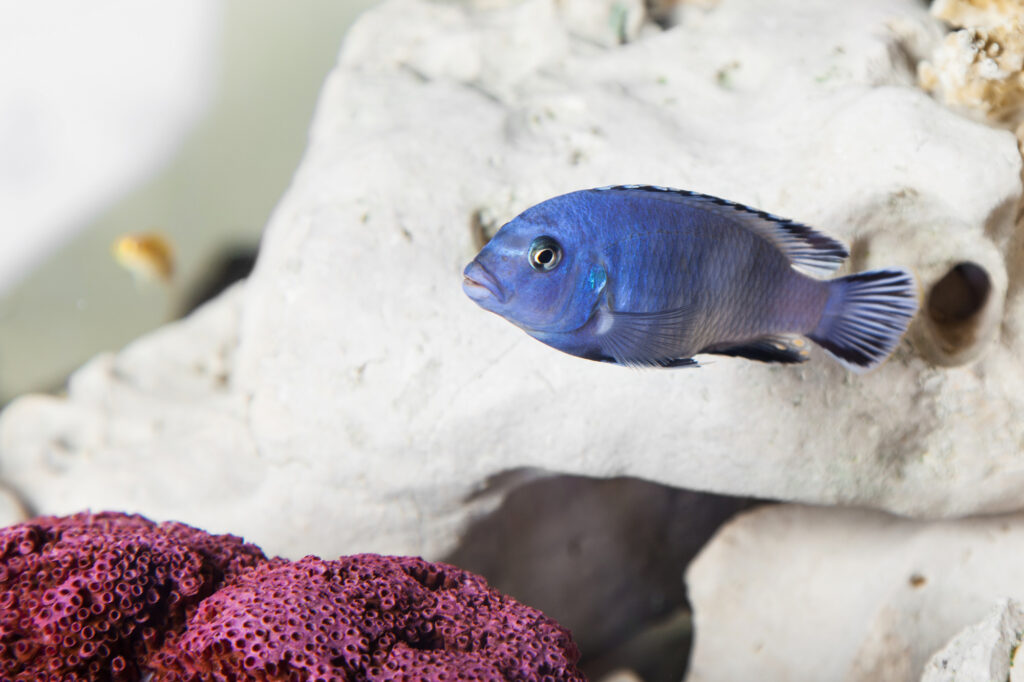
African Cichlids
The African Cichlid is one of the best choices you can make to add color to an aquarium. These beautiful fish come in different colors, and as their name implies, they are native to the African region. Their coloration reaches their anal fins, often matching the patterns in their bodies.
Placing them in a community tank can work with some considerations. They are also a species with long lives, with many going for a 15-year approximate, provided you keep them in freshwater.
However, the African Cichlid is a very territorial and aggressive fish. They won’t hesitate to attack others that stray too far into their territory. When choosing multiple breeds, it’s best to pair them with bottom dwellers. These Cichlids do not like hanging out at the bottom of the tank, and bottom dwellers will give them ample space.
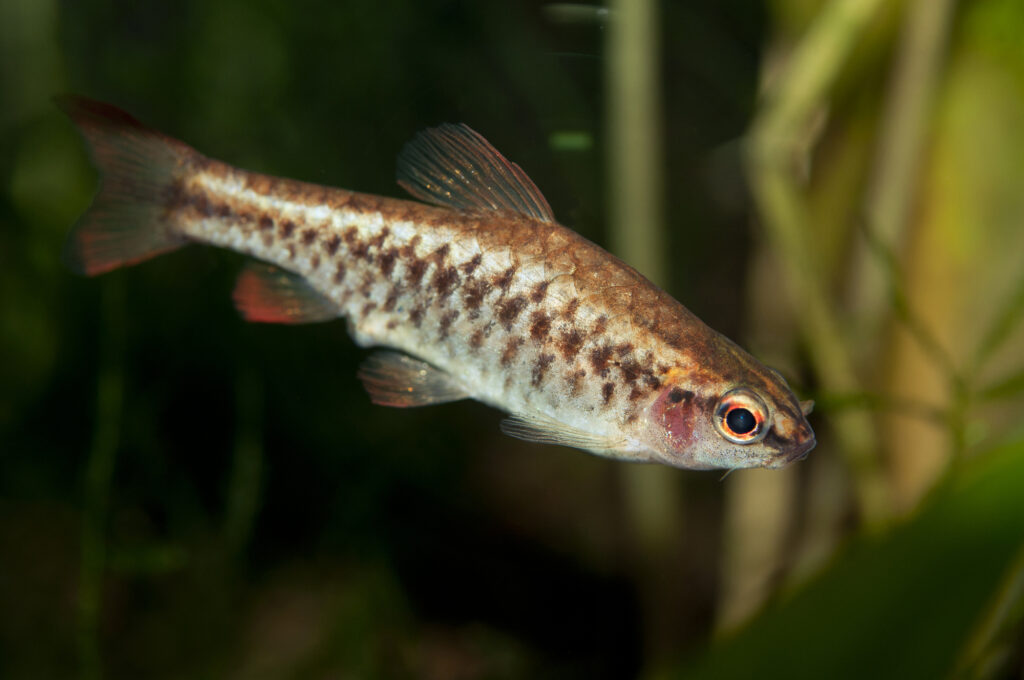
Barb Fish
The barb fish is another species with numerous varieties similar to the tetra. Some of the most popular include the cherry barb and the tiger barb. These are schooling fish that love living in small groups. It’s best to have a group of five or six living in the same aquarium.
One reason you’d want a barb fish is that their features are very noticeable in the tank. Be wary of the behavior of other barb species, especially the tiger. These tend to dislike other species and can even nip the fins of others who stray their way.
The cherry barb is peaceful though it’s best to ask about their behavior in an aquarium before buying.
Barbs work well with other barbs and don’t display their aggressive behavior with one another. You can have several different varieties in a group.
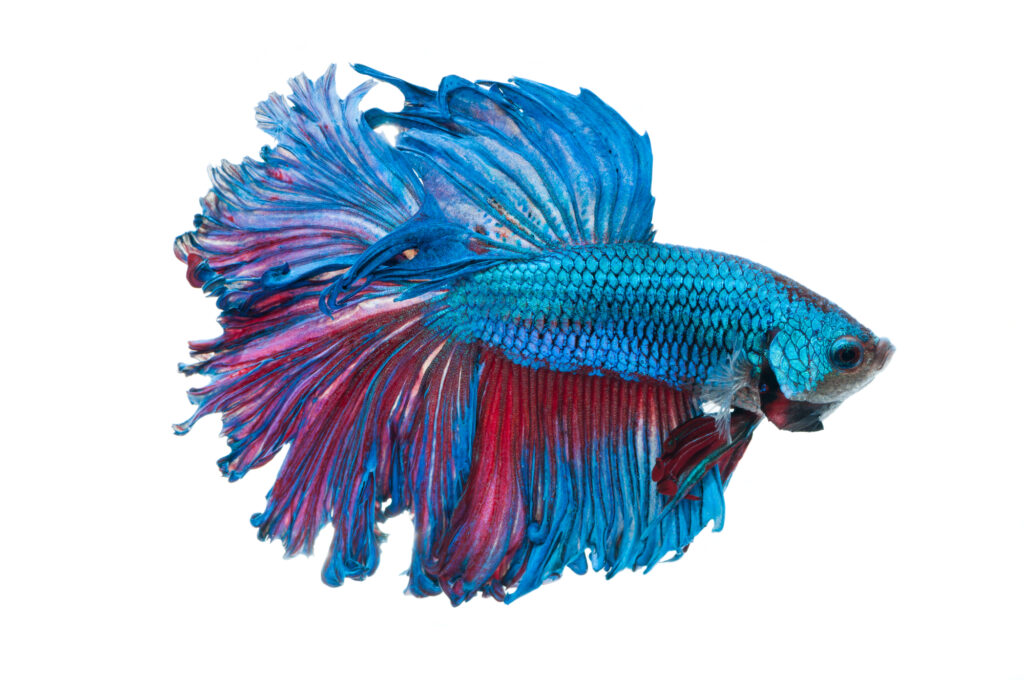
Betta Splendens
The Betta splendens are also known popularly as the Siamese fighting fish. They are a southeast Asian native species part of the betta family. Despite their aggression, they are popular in aquariums because of their color and beautiful features. As the name implies, they are very territorial, and males don’t work well with other males in the same tank.
Females can also be territorial if you don’t give them enough space. However, they are one of the hardiest species in the world. They can work with low oxygen levels. While popular pet options, they have become a threatened species as of late due to pollution.
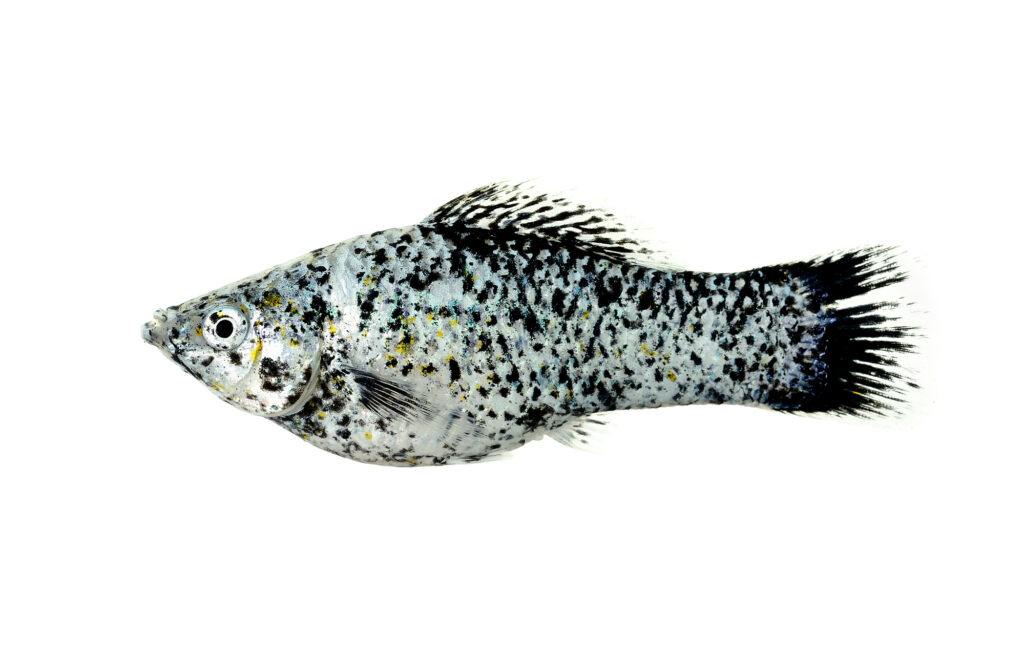
Molly Fish
Also known as Mollies, these Malaysian native fishes are popular choices because of their peaceful nature. They’re known to be very passive and highly adaptable. They are also inexpensive, as you can buy a group for about three to six dollars each. Another reason why they’re commonplace for aquariums is because of their varied color patterns.
Mollies are playful fish that love to move around tanks. They are great for beginners and can grow to around five inches. They’re best for larger 20-gallon tanks. They also thrive in hard water and don’t need much to live peacefully in tanks.
Since they are tropical fish, you need warm water with plenty of plants. They love eating algae and are great tank cleaners. They loosen dirt and help filters do their job effectively.
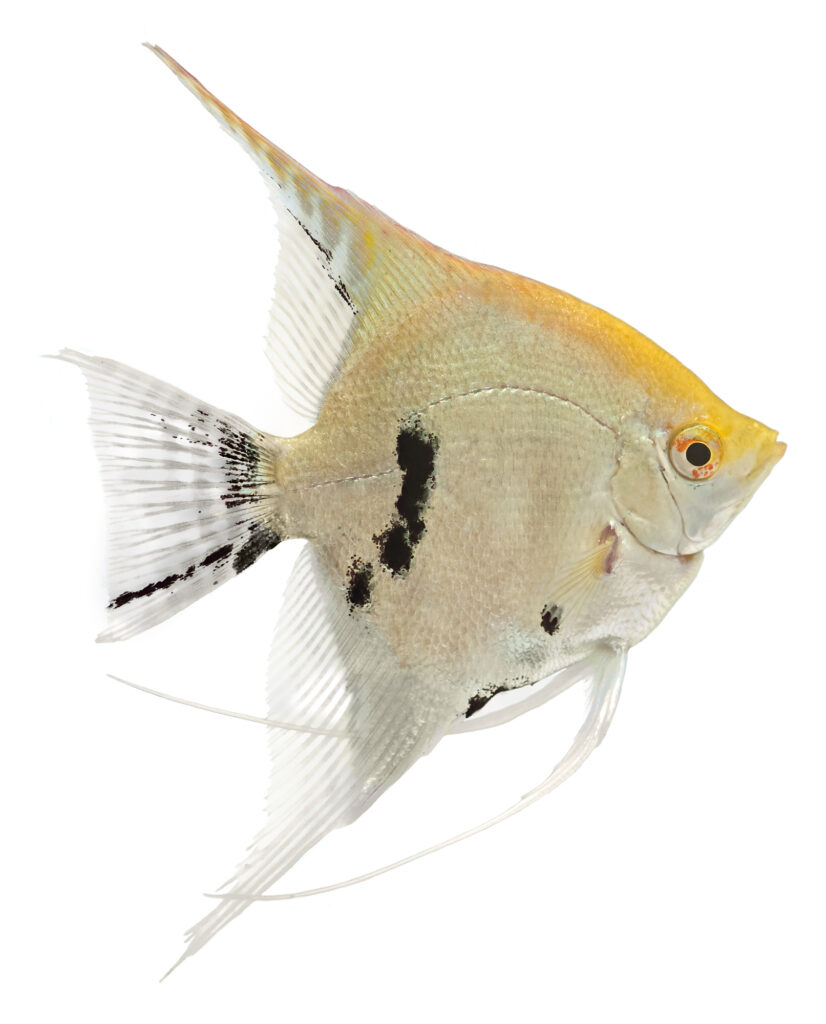
Angelfish
Freshwater angelfish are a popular option for those wanting to keep fish as pets. They are a cichlid with trailing fins and longer bodies. Because of their shape, size, and patterns, they are one of the most popular aquarium fish to keep. They are beginner friendly because they are more passive than other cichlids.
You may also want angelfish in your tank if you’re caring for other cichlids. They’re known to live peacefully alongside dwarves and discus. However, because of their size, you’ll need a larger size tank. The recommended amount is around 30 gallons, so they won’t have a stressful time near other fish.
Angelfish are also a part of a few species that look after their young after hatching. They can care for smaller angelfish for around two months after hatching.
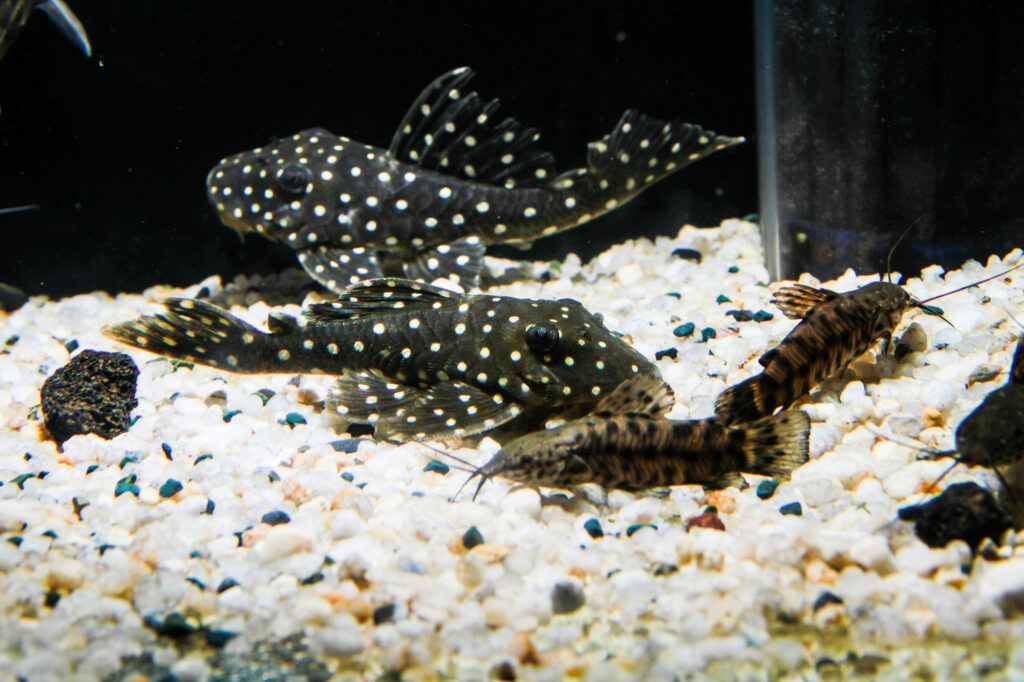
Plecostomus
The Plecostomus is one of the most visually appealing aquarium fishes to own. They are a type of catfish, with the differentiation being their covering of scales at the upper parts of their head and body. These scales can reflect light or come in beautiful patterns that make them an eye-catching addition to your aquarium.
Another reason you’d want a Plecostomus (or several) in your tank is their longevity. They’re naturally tough because of the scales and can live up to 20 years. They’re also very peaceful despite their features. You’ll often see them hanging at the side of the tank, suctioned to the wall with their mouths.
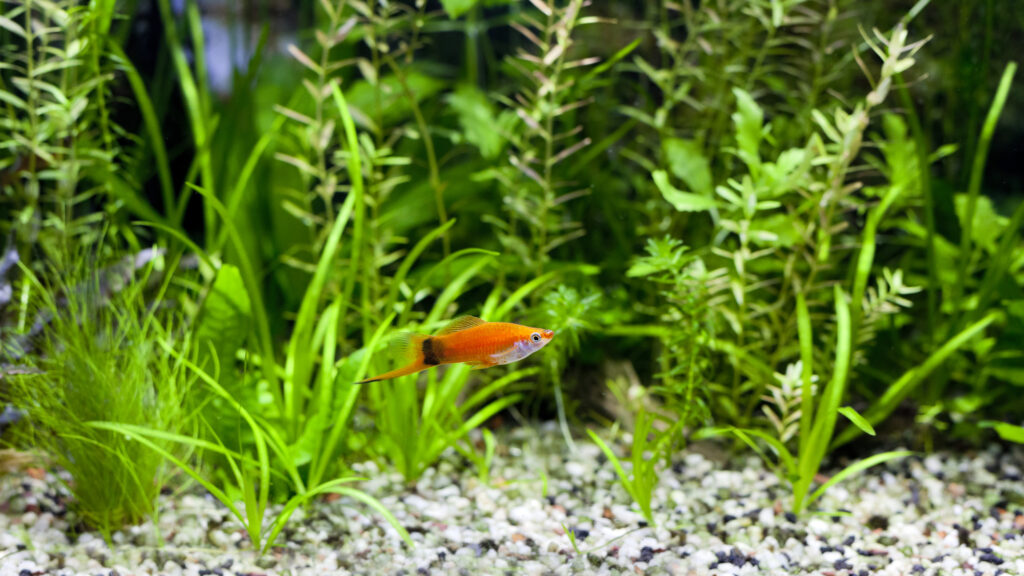
Swordtail
Swordtails are a unique type of aquarium fish in terms of looks. You can find them in different colors and they’re recommended for beginners. Most pet shops want new fish owners to get sword tails because they’re hardy and low maintenance.
They have a lot of energy, are sociable, and can live beside other peaceful fishes. They live peacefully, so you don’t have to worry about anyone biting each other.
The name derives from their tail which is shaped like a sword. It’s an extension of their fin, which helps them swim around faster. This standout feature, with its different colors, means you won’t run out of options to put in your aquarium.
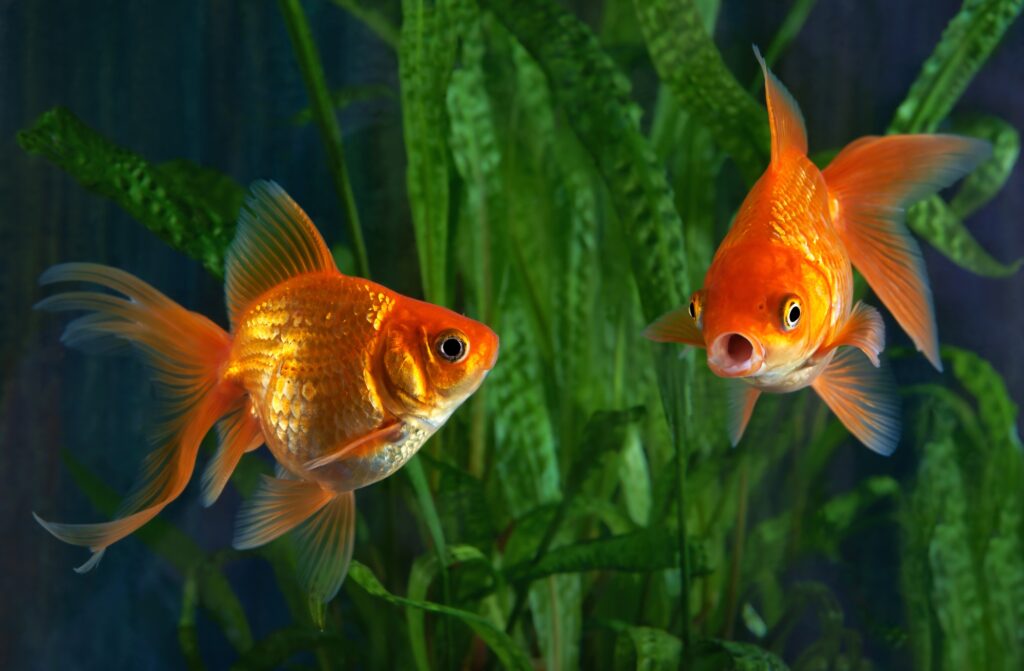
Goldfish
When it comes to aquarium fish, the goldfish is arguably the most popular. You often see them featured in various media, and they’re a species that many people know. One reason why people love goldfish is because of their beautiful color. They shine in an aquarium with their golden orange glow. They can grow very large, with some up to 14 inches long.
Another reason they’re beloved is because of their longevity. It isn’t uncommon for a goldfish to live for 25 years or more with the proper care. They can even live that long in a tank if they have enough space and constant maintenance. The recommended tank size for them is at least 20 gallons.
Consider the different colors and breeds of goldfish available before buying them. They’re not that beginner friendly, as they need weekly maintenance to stay healthy. You’ll need to change the water and filter weekly to help them live longer.
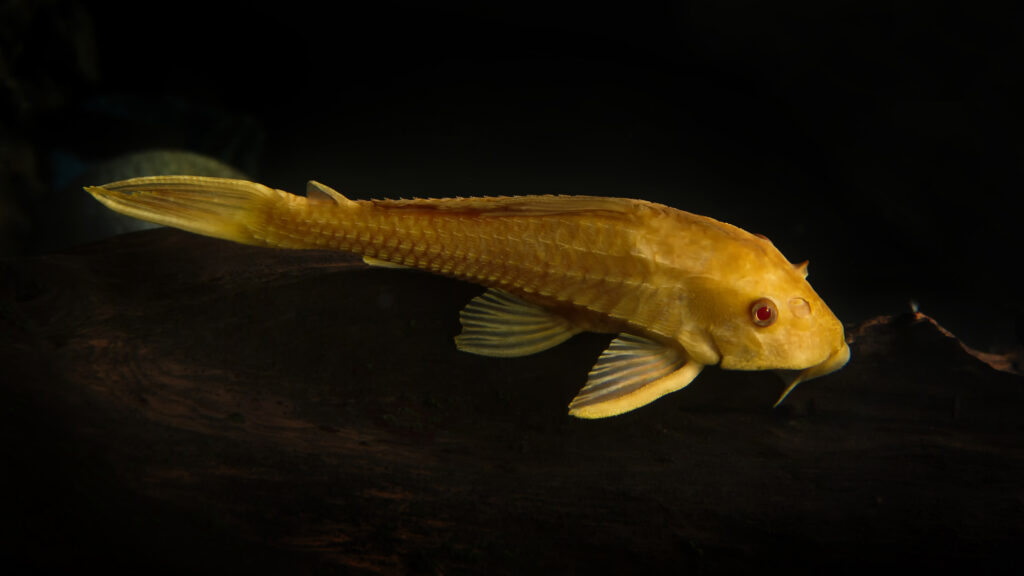
Bristlenose Pleco
The bristlenose pleco is an ideal catfish to put in a tank if you’re looking for a bottom dweller. As the name implies, they often grow long bristles at their nose, with males having longer ones than females. They are cleaners, which means they’ll clear up algae in the tank.
However, pebbles and cobblestones must be the substrate in the tank. Their ideal environment is warm water with temperatures of 60 to 75 degrees Fahrenheit.
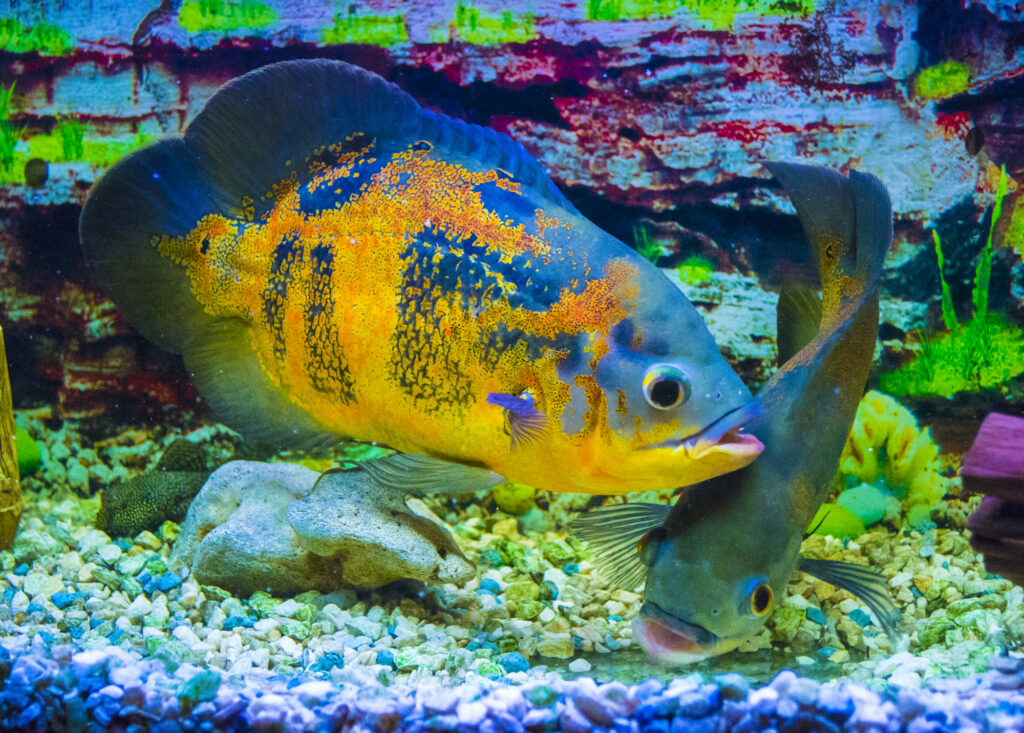
Oscar
The Oscar is a variety of cichlids. Its other names include velvet cichlid and marble cichlid, depending on its color. Like other cichlids, these are native to South America and are tropical fish that can be suitable for beginners. Oscars are intelligent and playful animals. There are even some cases where you can teach one to do some tricks or commands.
However, keeping them with other species may be challenging as they tend to be aggressive. They thrive better on their own. The other option is to have a partner Oscar with them, as they love being in pairs. They must be of similar size and nature, or one will bully the other.
Oscars like to live in large tanks with rocks and gravel. They work with hard water and can grow to 12 to 14 inches over time. You’ll also need a reliable filter system since they produce a lot of waste. You’ll need to perform regular water changes to ensure they’re in a healthy environment.
Oscars are carnivores that love to eat small insects and animals. They’ll eat small fish, flakes, plankton, earthworms, and more.
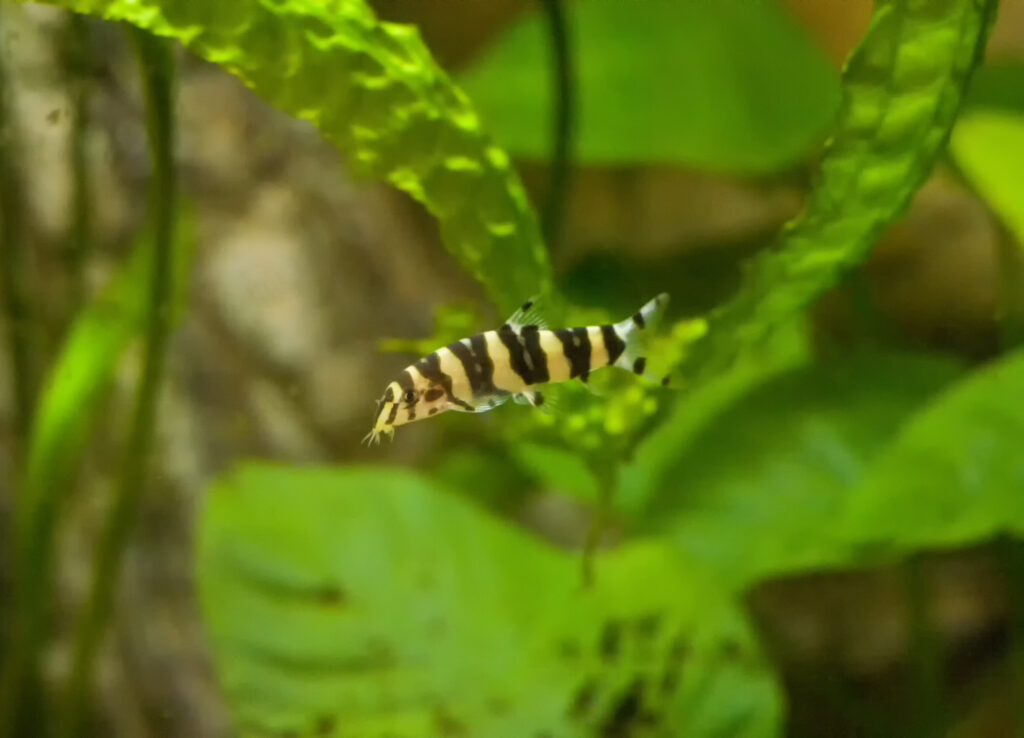
Clown Loach
The clown loach is an ideal partner to catfishes, other loaches, and cichlids with a more peaceful nature. You can often identify the type of loach depending on its fin color. The coloration will indicate their country of origin. One of the unique features is a lack of scales on their head.
One challenge about owning a clown loach is that they’re not freshwater fish. You’ll need salt water to keep them alive. It’s better to consider them if you want a saltwater tank with numerous species that can live peacefully with one another.
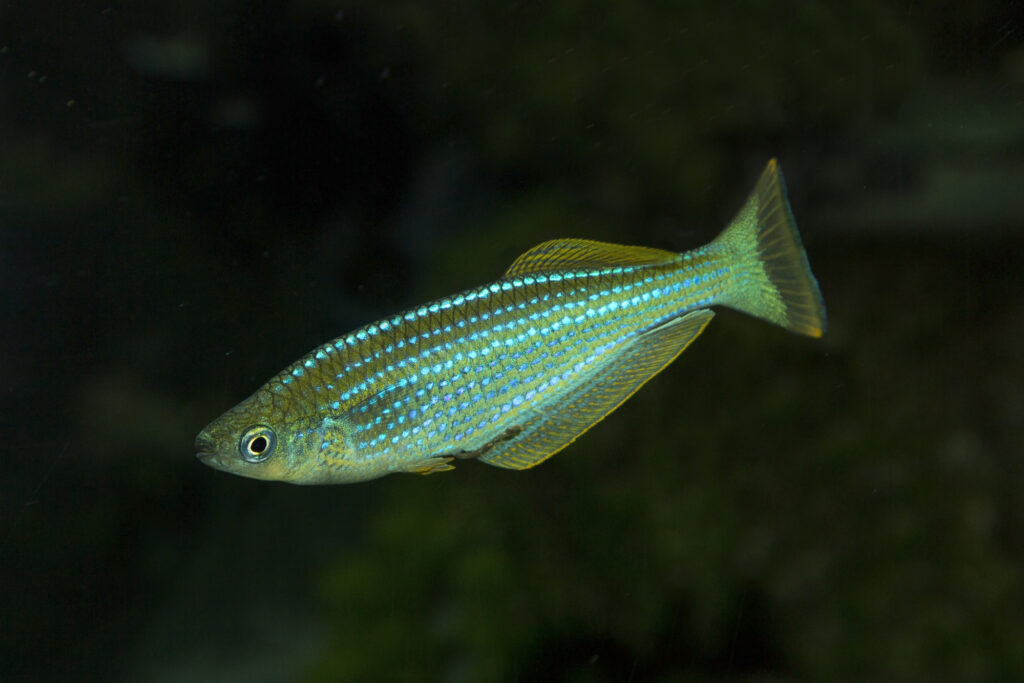
Killifish
The killifish has a similar look to minnows. The common ones are dull-colored, while tropical varieties come in different combinations. These fish thrive in low light in a tank with around 20 gallons. They love to hide, and you need some plants to provide shade and hiding spots.
Some of the most popular killifish include blue and red lyretails. They are feeder fish, meaning you can use them as bait for larger species. Alternatively, they’ll live peacefully in a tank, avoiding most other species in their lifetime.
What Do I Choose?
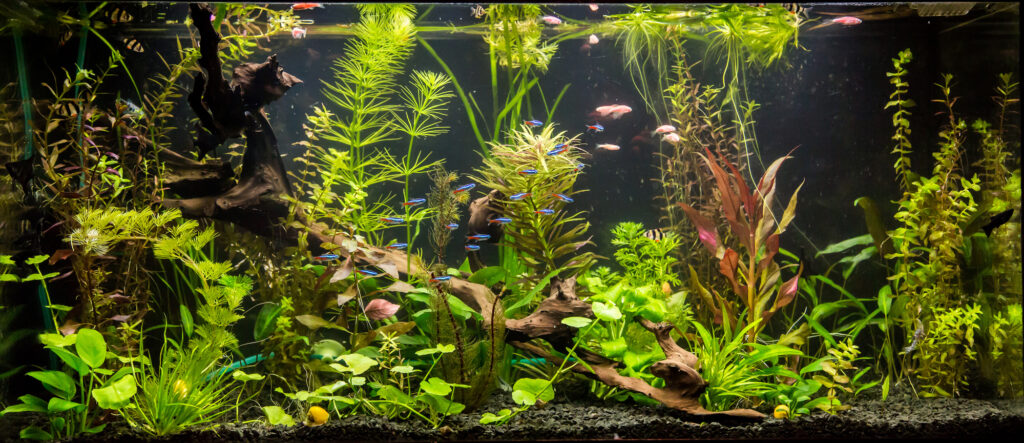
As you may notice, many fish are available when filling your aquarium. While there are aggressive varieties, some of them work well with others. It’s all about choosing the right combination, depending on your experience and preference. You don’t have to settle with the fish in your aquarium because there are many to choose from.
Combining the different colors, plants, and decor can make for an entertaining piece in your home. It can give you a small aquatic world living inside your home. Fish can be inspiring, relaxing, or a companion to help you through each day. Choose carefully, and enjoy your new companions after you’ve decided.